
Understanding Spray Crete
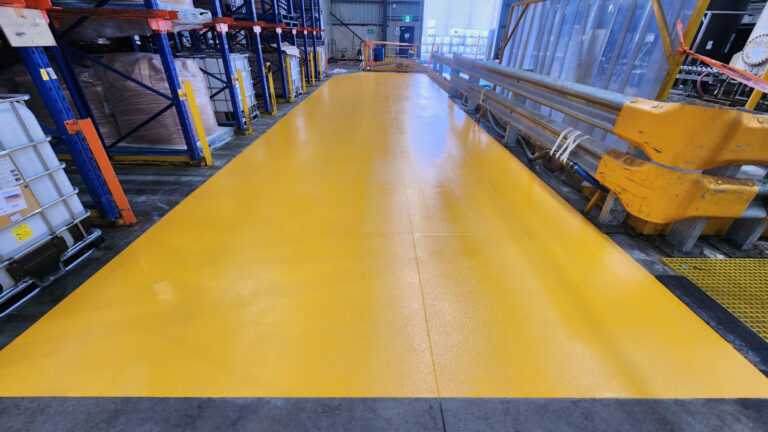
Spray Crete is a form of concrete resurfacing where a specialised cement-based coating is sprayed over an existing concrete surface. It’s designed to repair, refresh, and enhance old concrete without needing to remove the entire slab. The finish can be customised with stencils, colours, and patterns — making it both decorative and functional.
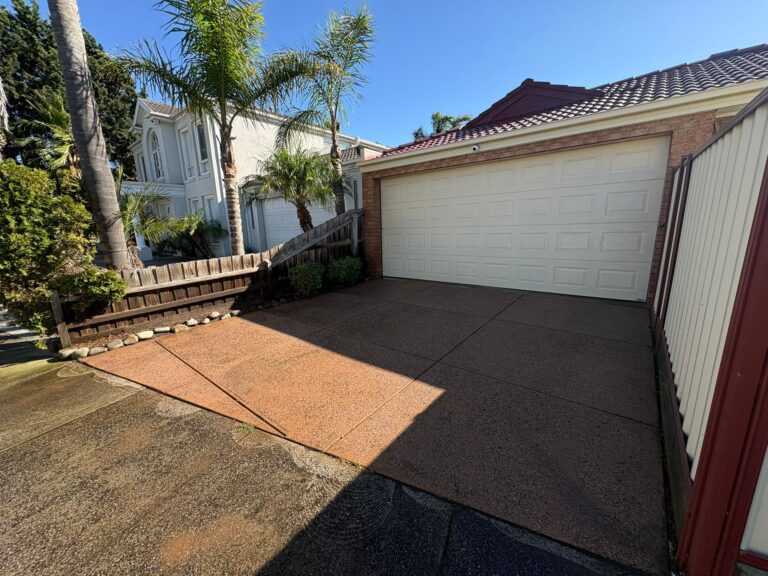
Professionals use high-pressure spray guns to apply the resurfacing compound evenly, ensuring a consistent, slip-resistant surface. It’s commonly used for driveways, pool surrounds, patios, courtyards, and pathways where aesthetics and safety matter most.
How Spray Crete Works
- Preparation: The existing concrete is cleaned, repaired, and sometimes lightly ground to create a strong bonding surface. Any cracks or uneven patches are fixed first.
- Priming: A primer or bonding agent is applied to help the new coating adhere securely.
- Spraying: The resurfacing mix is sprayed in thin, even layers using a hopper gun, often with stencil or tape designs to create patterns such as tile, brick, or stone effects.
- Sealing: Finally, a protective sealer is applied to protect against UV rays, moisture, and stains.
The result is a smooth yet textured surface that’s slip-resistant, weather-tough, and highly customisable.
Benefits of Spray Crete
- Cost-effective: More affordable than removing and replacing old concrete.
- Durable: Resistant to heat, UV rays, and general wear.
- Slip-resistant: Ideal for outdoor and wet areas.
- Decorative: Available in various colours, designs, and textures.
- Quick installation: Usually completed within a few days with minimal downtime.
For homeowners in Melbourne and across Victoria, Spray Crete offers an excellent balance of aesthetics, performance, and price. It can rejuvenate a tired slab into something fresh and modern without major construction work.
Understanding Pebblecrete
Pebblecrete is an exposed aggregate finish traditionally used for outdoor areas such as pool surrounds, driveways, and paths. It’s made by mixing small pebbles or stones into the concrete or applying them on top while the surface is still wet. Once the concrete cures, the top layer is washed away, revealing the pebbles underneath for a decorative, textured look.
Popular since the 1970s, Pebblecrete offers a natural aesthetic and a rougher texture underfoot, providing good slip resistance around pools. However, as this surface ages, it can become prone to cracking, discolouration, and exposed sharp stones that cause discomfort.
How Pebblecrete Is Applied
- Mixing: Small decorative stones are combined with concrete or applied to the surface while wet.
- Setting: Once poured, the surface is left to partially cure before the top layer of cement paste is washed away, exposing the stones.
- Sealing: A clear sealant is applied to enhance colour and protect against water and chemical damage.
Pebblecrete is especially common in older pool areas across Australia. However, many homeowners now explore modern resurfacing options such as Spray Crete or Epoxy Flake Flooring for easier maintenance and improved comfort.
Benefits of Pebblecrete
- Natural look: The exposed stones create an organic, textured finish.
- Good traction: Slip-resistant, especially around pool areas.
- Durable under weather: Performs well in outdoor conditions when properly sealed.
- Customisable: Available in different stone colours and sizes.
Challenges with Pebblecrete
While Pebblecrete remains visually appealing, it requires regular maintenance. Over time, stones can loosen, surfaces can fade, and cracks may appear due to exposure and foot traffic. Many older Pebblecrete surfaces also feel rough underfoot and trap dirt, algae, or mildew, particularly around pools or shaded areas.
To restore or upgrade these surfaces, many homeowners now opt for concrete resurfacing with Spray Crete — which can be applied directly over Pebblecrete, providing a smoother, sealed, and updated look without removing the existing base.
Spray Crete vs. Pebblecrete: Key Differences
| Feature | Spray Crete | Pebblecrete |
|---|---|---|
| Texture | Fine, smooth texture with slip resistance | Coarse, rough surface with exposed stones |
| Appearance | Modern look with colour and pattern options | Natural, traditional aesthetic |
| Durability | Highly resistant to cracking and UV damage | Prone to wear, cracking, and discolouration over time |
| Comfort | Cooler and smoother underfoot | Can be rough or abrasive when aged |
| Maintenance | Low maintenance with easy cleaning | Requires resealing and frequent cleaning |
| Slip Resistance | High (suitable for wet areas) | Good when new, but reduces as stones loosen |
| Longevity | 10–15 years or more with sealing | 5–10 years before resurfacing or sealing required |
| Cost Range | Approximately $50–$90 per m² depending on design | Approximately $80–$120 per m² for new installations |
Can Spray Crete Be Applied Over Pebblecrete?
Yes. One of Spray Crete’s biggest advantages is its ability to be applied directly over old Pebblecrete surfaces — saving on demolition costs. With proper surface preparation, a Spray Crete overlay bonds strongly and conceals imperfections, cracks, or loose stones.
For this process, the existing Pebblecrete must be cleaned, pressure washed, and repaired where necessary. Once the base is stable, the new coating can be sprayed on, providing a sealed, slip-resistant, and refreshed look that modernises your outdoor area.
Applying a high-quality sealer post-application further enhances protection against UV exposure, moisture, and staining — ensuring your new finish remains vibrant and durable year after year.
Which Option Is Best for You?
When deciding between Spray Crete and Pebblecrete, consider three main factors — the current condition of your concrete, your budget, and how you plan to use the area.
If You Want a Modern, Low-Maintenance Finish
Choose Spray Crete. It’s ideal for driveways, pathways, courtyards, and even commercial spaces. You can customise colours, patterns, and textures to match your home’s style while enjoying a smooth, non-slip, easy-to-clean surface.
If You Prefer a Natural Look
Pebblecrete suits traditional homes and pool surrounds where the organic, textured stone look complements landscaping. However, it requires more maintenance and occasional sealing to prevent fading and cracking.
If You Have an Existing Pebblecrete Surface
Resurfacing with Spray Crete provides the best of both worlds — a modern update that strengthens your surface while retaining the structural integrity of your original concrete. It’s more cost-effective than replacing the slab entirely and gives your outdoor areas a refreshed, long-lasting appearance.
Maintenance Tips for Longevity
No matter which option you choose, regular maintenance extends the life and appearance of your surface.
- Clean regularly: Sweep and hose off debris to prevent staining and mould buildup.
- Reapply sealer: Every 2–3 years for Spray Crete or every 1–2 years for Pebblecrete, depending on weather exposure.
- Repair cracks early: Small cracks can quickly worsen. Schedule prompt repairs to prevent further damage.
- Avoid harsh chemicals: Use mild detergents when cleaning to preserve the sealer and surface colour.
For more cleaning and maintenance guidance, see our related article: How to Clean Your Concrete Floor After Grinding.
Final Thoughts
Spray Crete and Pebblecrete each have their strengths. Pebblecrete remains a timeless choice for those who value natural textures, while Spray Crete offers a modern, durable, and low-maintenance solution for today’s homes and commercial properties.
When resurfacing old concrete, timing and preparation matter just as much as material selection. If you are considering upgrading this season, the warmer months provide the best conditions for resurfacing and sealing. To learn more about ideal timing, read Why Spring & Summer Are the Best Seasons for Concrete Resurfacing.