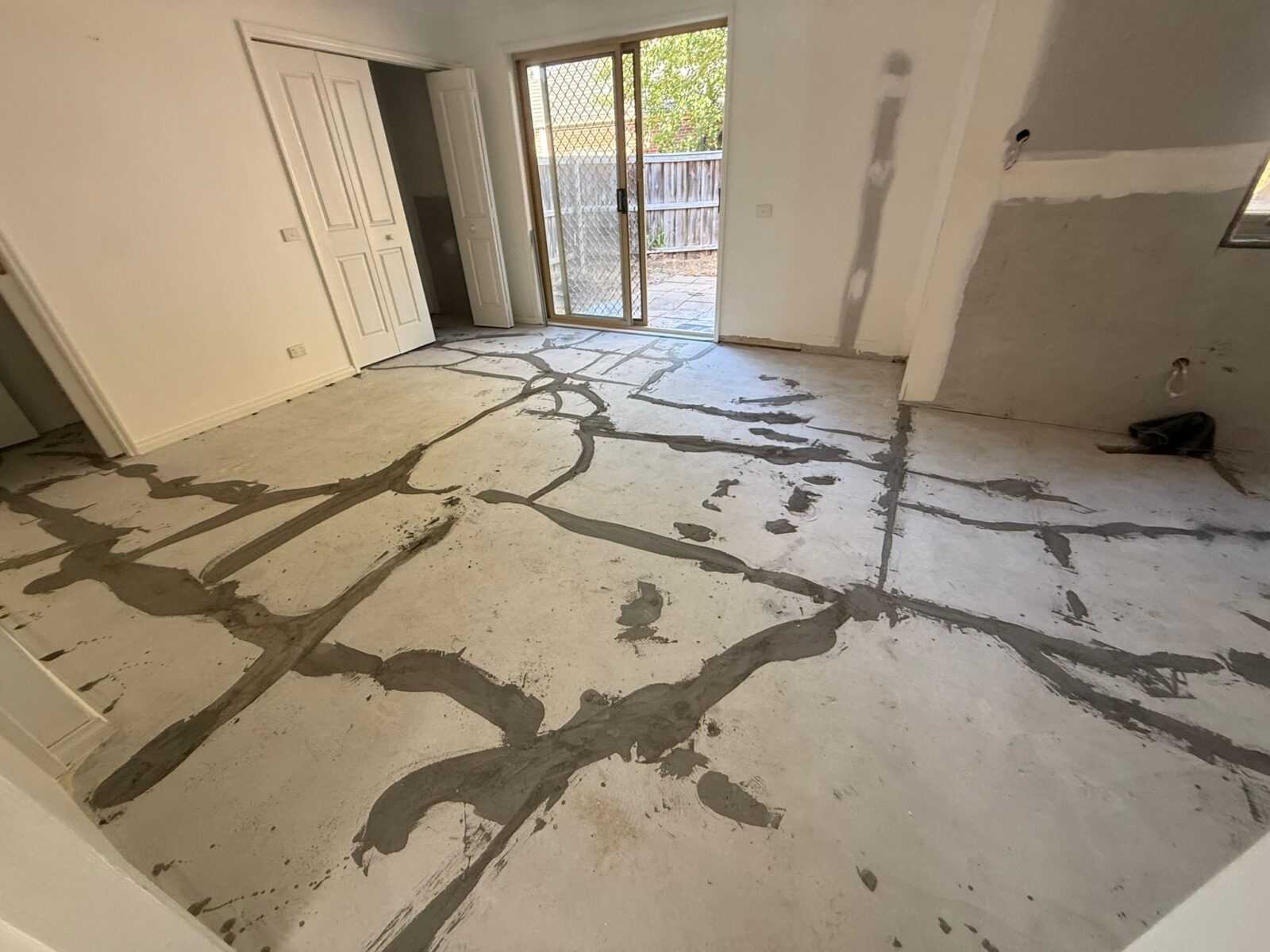
Concrete is widely used for driveways, garages, warehouses, patios, and industrial spaces because of its durability. However, over time concrete surfaces can become unsafe if they begin to crack, deteriorate, or lose traction.
In both residential and commercial environments, unsafe concrete flooring can create serious risks. A slippery driveway can lead to falls, while an uneven warehouse floor can damage equipment or cause workplace injuries.
The good news is that many of these problems can be identified early and corrected before they lead to major repairs or complete replacement.
This guide explains the most common causes of unsafe concrete floors and the practical solutions available.
Why Concrete Floors Become Unsafe
Concrete surfaces deteriorate gradually. Exposure to weather, heavy use, and moisture slowly weakens the surface layer and underlying structure.
Common causes include:
- aging sealers or coatings
- water penetration
- poor drainage
- heavy traffic or equipment
- chemical or oil exposure
- surface wear from UV and weather
These factors can create conditions that make concrete floors slippery, uneven, or structurally compromised.
Common Signs of Unsafe Concrete Flooring
1. Slippery Surfaces
Slippery concrete is one of the most common safety concerns.
This can occur when:
- sealers wear away
- smooth concrete becomes polished from traffic
- oil or grease builds up
- moisture accumulates on the surface
In homes, this is often seen on driveways, patios, and pool areas. In commercial settings, it frequently occurs in warehouses, workshops, and loading areas.
Possible Solutions
Improving surface traction may involve:
- anti-slip epoxy coatings
- textured concrete resurfacing
- surface preparation and sealing
These treatments restore grip while protecting the concrete surface.
2. Cracked or Uneven Concrete
Cracks and uneven sections create trip hazards and can also damage vehicles or equipment.
Small cracks often appear harmless, but they allow moisture to enter beneath the slab. Over time this can weaken the base material and lead to further movement.
Possible Solutions
Depending on severity, solutions may include:
- crack repair
- surface grinding and levelling
- concrete resurfacing
Resurfacing is often suitable when the slab remains structurally sound but the surface has deteriorated.
Learn more about resurfacing options: homeconcretesolutions.com.au/services/concrete-resurfacing
3. Surface Deterioration or Concrete Dusting
Older concrete can begin to break down at the surface, releasing fine dust or forming rough patches.
This issue is common in:
- garages
- basements
- industrial floors
- older driveways
Surface deterioration reduces durability and makes the floor more susceptible to further damage.
Possible Solutions
Restoring the surface may require proper preparation through mechanical grinding before applying protective coatings.
Surface preparation is critical for long-term performance.
Learn more: homeconcretesolutions.com.au/concrete-grinding-preparation
4. Oil and Chemical Contamination
Concrete is naturally porous, meaning oils and chemicals can penetrate the surface.
In residential areas this often occurs in garage floors and driveways, while in commercial environments it is common in workshops and warehouses.
Contamination can make the surface slippery and weaken coatings applied later.
Possible Solutions
Cleaning alone may not remove deep contamination. Mechanical preparation followed by protective coatings such as epoxy flooring can provide a durable and safer surface.
Industrial epoxy systems are commonly used in commercial environments to improve durability and chemical resistance.
Why Temporary Fixes Often Fail
Many property owners attempt quick fixes such as:
- painting over damaged concrete
- patching cracks without addressing the base
- covering slippery areas with mats
While these approaches may provide short-term improvement, they rarely address the underlying issue.
Without proper preparation and repair, surface treatments often fail prematurely.
Practical Solutions for Restoring Concrete Floor Safety
Concrete Grinding and Surface Preparation
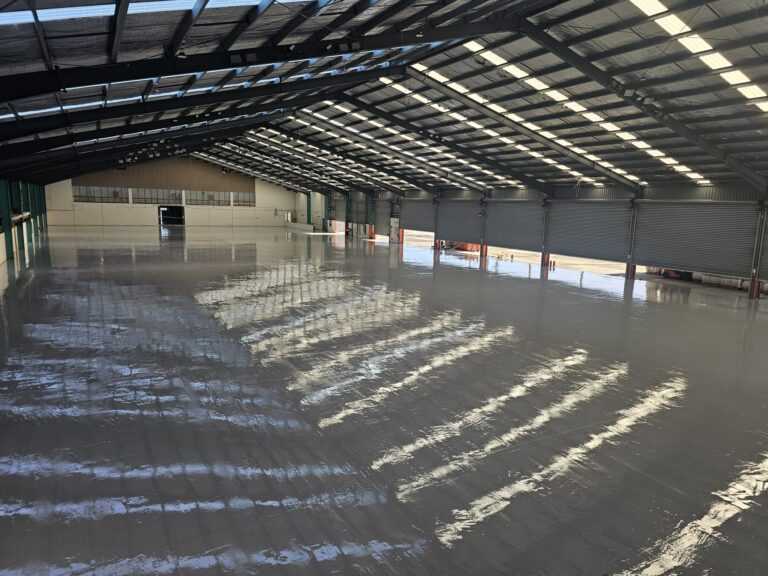
Grinding removes damaged layers and prepares the surface for coatings or repairs. This process improves adhesion and ensures long-term performance.
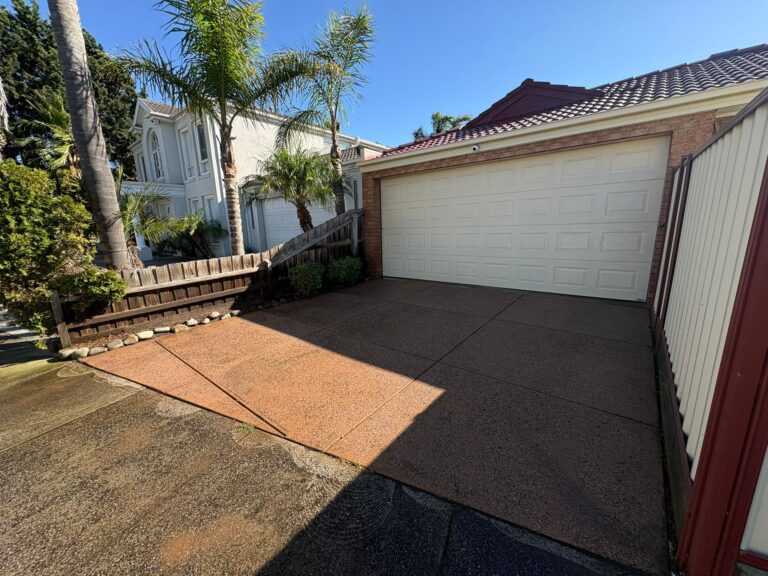
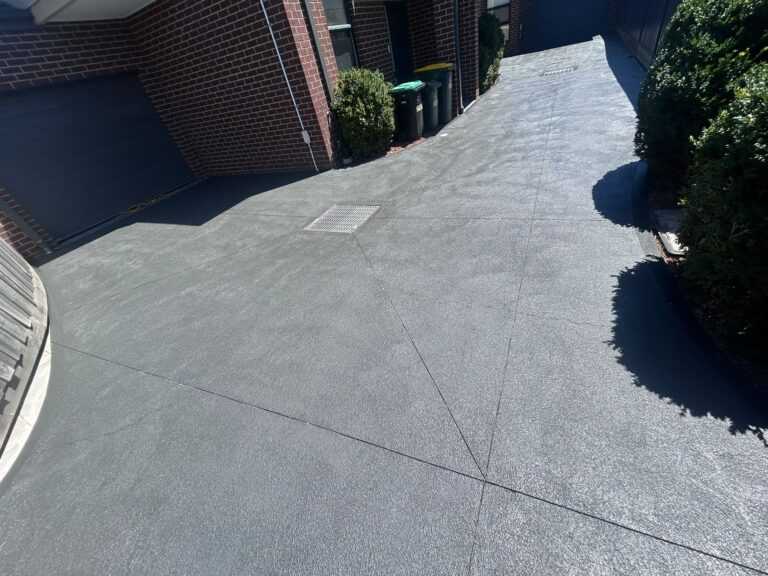
Resurfacing applies a new layer over existing concrete, restoring both appearance and safety. It is often suitable when the slab itself is still structurally sound.
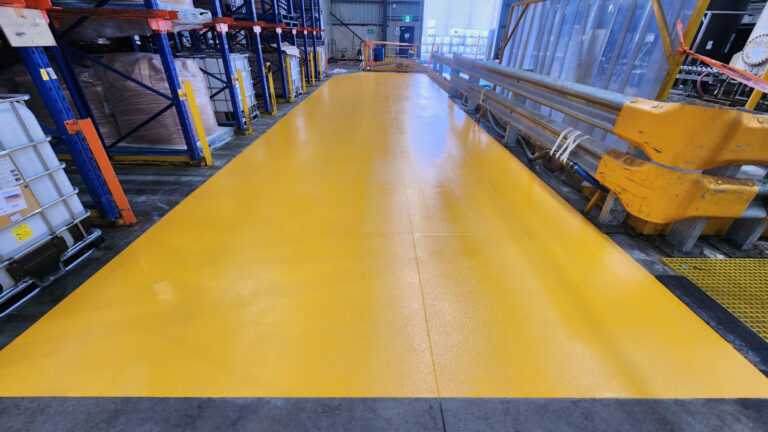
Epoxy coatings create durable, seamless surfaces that improve traction and resistance to chemicals and heavy use. These systems are commonly used in garages, warehouses, and industrial facilities.
Cracks, joints, and damaged areas can often be repaired before they develop into larger structural problems.
When Concrete Replacement Is Necessary
In some situations, repair or resurfacing may not be possible.
Replacement is usually required when:
- the slab has severe structural cracking
- large sections have sunk significantly
- the base material beneath the slab has failed
A professional assessment can determine whether restoration or replacement is the most practical solution.
The Importance of Addressing Concrete Issues Early
Whether in a home or a commercial facility, addressing concrete problems early can prevent larger structural issues and reduce long-term repair costs.
Early intervention can:
- improve safety
- extend the lifespan of the concrete
- reduce maintenance costs
- protect property value
- prevent operational disruption in businesses
Concrete surfaces rarely fail suddenly. They usually show warning signs long before major damage occurs.
Recognising those signs early allows property owners to take the right action at the right time.