In a warehouse environment, the floor is one of the most used and often most overlooked, parts of the entire operation.
Every day, it supports forklifts, pallet movement, machinery, and foot traffic. When it performs well, it goes unnoticed. But when it starts to lose traction, the impact is immediate.
A slippery warehouse floor is rarely just an inconvenience. It becomes a safety concern, an operational risk, and in many cases, a compliance issue.
What makes it more challenging is that this problem doesn’t usually appear overnight. It develops gradually, often without being addressed until an incident or near-miss occurs.
When a Floor Becomes a Risk
In many facilities, the early signs are easy to miss.
Certain areas may feel slightly smoother than before. Sections of the floor might become slippery when wet. Cleaning may seem less effective, even when done regularly.
Over time, these subtle changes can lead to more serious outcomes:
- Increased slip and fall risks for staff
- Reduced control for forklifts and moving equipment
- Higher chances of product damage during handling
- Disruptions caused by safety incidents or investigations
At this point, the issue is no longer just about maintenance, it becomes part of workplace risk management.
Why Concrete Floors Lose Traction Over Time
Concrete is not naturally slippery. In fact, most warehouse floors start with enough surface texture to provide safe traction.
The problem is that this surface condition changes with use.
Heavy traffic, particularly from forklifts, gradually polishes the concrete. What was once a slightly textured surface becomes smoother with every pass. Over months and years, this creates a noticeable reduction in grip.
At the same time, the environment within a warehouse plays a role. Oil drips, fine dust, and moisture from cleaning or weather exposure can form a thin layer on the surface. Even when not visible, this layer reduces friction and makes the floor feel slick under certain conditions.
In some cases, the issue is linked to coatings that have worn down unevenly. Older sealers or coatings may leave behind inconsistent patches some areas still protected, others completely exposed.
There are also situations where the problem starts beneath the surface. Moisture rising through the slab can affect how coatings perform and contribute to surface instability over time.
The Compliance and Liability Perspective
For commercial facilities, slippery flooring is not just a maintenance issue, it’s tied to compliance.
Businesses are expected to provide a safe working environment. Flooring plays a direct role in meeting that expectation.
When surfaces contribute to accidents, it can lead to:
- Workplace health and safety concerns
- Insurance complications
- Operational interruptions
- Increased scrutiny following incidents
Even without a major accident, repeated near-misses often indicate that the floor condition needs attention.
Why Quick Fixes Often Don’t Work
When traction becomes an issue, the first response is often a temporary solution.
This might include:
- Increased cleaning or degreasing
- Placing anti-slip mats in problem areas
- Applying a quick coating over the surface
While these can provide short-term improvement, they rarely address the root cause.
If the concrete surface itself is worn, contaminated, or improperly prepared, these fixes tend to wear off quickly. In many cases, businesses find themselves repeating the same process without seeing lasting results.
What a More Permanent Solution Looks Like
Restoring a warehouse floor isn’t just about adding a coating. It involves understanding what has changed in the surface and correcting it properly.
The first step is usually preparation.
Concrete that has been polished by traffic or affected by contamination needs to be mechanically treated to create a stable base again. This is typically done through grinding, which removes weak layers and restores the surface profile.
👉 https://homeconcretesolutions.com.au/concrete-grinding-preparation/
Once the surface is properly prepared, a more suitable flooring system can be applied.
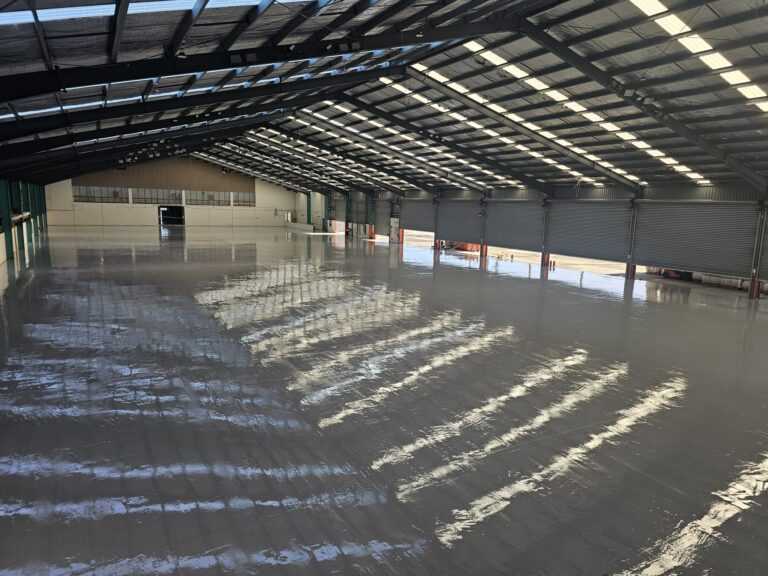
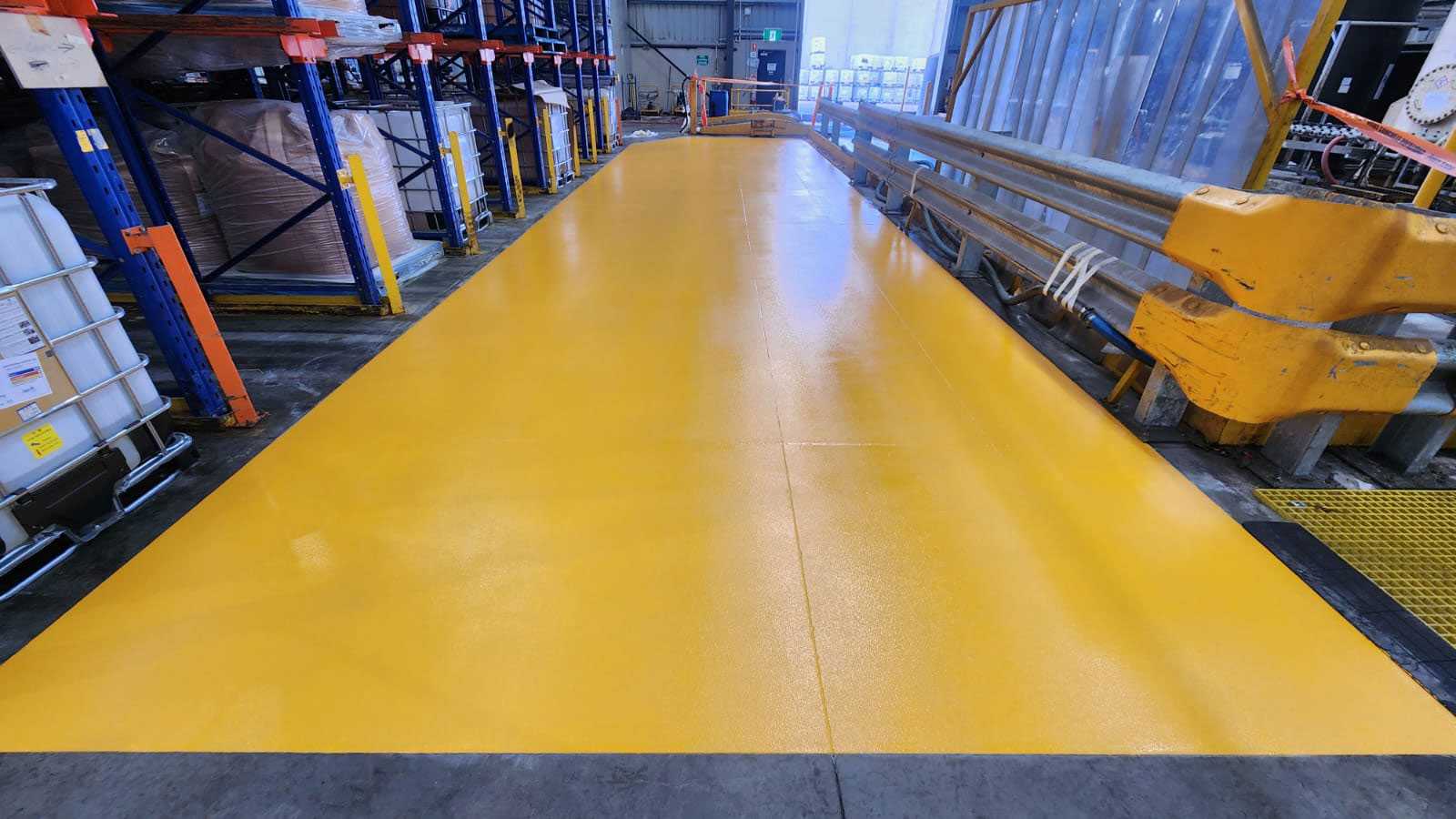
In many warehouse environments, this involves epoxy systems designed with slip resistance in mind. These systems can be adjusted depending on how the space is used in providing more grip in high-risk areas while maintaining cleanability across the rest of the floor.
👉 https://homeconcretesolutions.com.au/commercial-industrial/
The aim is not just to improve traction temporarily, but to create a surface that continues to perform under daily operational conditions.
Addressing the Underlying Conditions
In some cases, improving traction also means addressing contributing factors around the floor itself.
This can include:
- Managing areas where water tends to pool
- Repairing uneven or damaged sections
- Removing embedded contaminants within the concrete
- Ensuring the surface is consistent across high-traffic zones
Without addressing these underlying issues, even well-applied systems can struggle to perform over time.
What Changes When the Floor Is Fixed Properly
When the right approach is taken, the difference is noticeable not just visually, but in how the space operates.
A properly restored floor provides:
- More consistent traction across the entire workspace
- Safer movement for both staff and equipment
- Easier and more predictable cleaning
- Reduced need for ongoing temporary fixes
For many facilities, it also removes a level of uncertainty that had become part of daily operations.
A Practical Way to Look at It
A slippery warehouse floor is rarely caused by a single issue. It’s usually the result of gradual surface change, environmental exposure, and ongoing use.
Treating it as a surface problem alone often leads to short-term fixes.
Looking at it as part of the overall condition of the concrete including preparation, repair, and protection leads to more reliable outcomes.
Final Thoughts
Warehouse floors are under constant pressure, and over time, even well-installed surfaces can lose their original performance.
The key is recognising when the surface is no longer functioning as it should and addressing it before it leads to safety incidents or operational disruption.
A stable, slip-resistant floor doesn’t just improve safety. It supports the way the entire facility operates.