
Concrete grinding and surface preparation are often mentioned as part of concrete resurfacing, epoxy flooring, or repair projects but rarely explained in detail. Many property owners only encounter these terms after experiencing a coating failure, peeling surface, or uneven finish.
In reality, grinding and preparation are not optional extras. They are the foundation that determines whether a concrete treatment performs as intended or fails prematurely.
This guide explains what concrete grinding and surface preparation actually involve, the problems they are designed to solve, and why they are essential for both residential and commercial concrete surfaces.
What Concrete Grinding Really Does
Concrete grinding is a mechanical process used to remove surface layers from concrete using industrial grinding machines fitted with diamond tooling. The purpose is not simply to make concrete look smoother it is to expose sound, uncontaminated material and create a surface that can accept repairs, coatings, or resurfacing systems.
Grinding is commonly used to address issues such as:
- Weak or deteriorated surface layers
- Old coatings, paint, or sealers
- Surface irregularities or uneven areas
- Embedded contaminants like oils or residues
Concrete surfaces that appear visually intact can still have underlying problems that prevent new materials from bonding correctly. Grinding allows these issues to be addressed before further work begins.
Surface Preparation: More Than Just Grinding
Surface preparation refers to the full process of making concrete suitable for treatment not just grinding alone. While grinding is often the primary method, preparation usually involves multiple steps depending on the condition and intended use of the surface.
Proper preparation may include:
- Mechanical grinding to remove weak layers
- Crack and joint assessment and repair
- Removal of contaminants and residues
- Moisture evaluation
- Dust control and surface cleaning
Each step plays a role in ensuring that the concrete can accept the chosen solution and perform reliably over time.
Common Concrete Problems That Grinding Helps Resolve
1. Coatings That Peel, Bubble, or Lift
One of the most common concrete complaints is coating failure particularly with epoxy flooring, driveway paint, or sealers. In most cases, the issue is not the product itself but the condition of the surface beneath it.
Grinding removes the layer of concrete where adhesion failure typically begins, allowing new materials to bond mechanically rather than sitting on top of contaminants.
2. Surface Dusting and Breakdown
Older concrete may shed fine particles from the surface, especially in dry or hot conditions. This process, often referred to as dusting, occurs when the top layer of concrete weakens due to age, poor finishing, or environmental exposure.
Grinding removes this compromised layer and exposes stronger concrete below, restoring structural integrity at the surface level.
3. Uneven or Patchy Surfaces
Over time, concrete can develop uneven textures due to repairs, weather exposure, or previous coating attempts. These inconsistencies often become more noticeable after new finishes are applied.
Grinding allows surfaces to be levelled and blended, preventing visible transitions or defects in the final result.
4. Embedded Oils, Stains, and Residues
Concrete is porous, meaning it absorbs substances over time particularly in garages, driveways, and commercial environments. Oils, chemicals, and cleaning residues can penetrate the surface and interfere with adhesion.
Mechanical grinding is often the only reliable method to remove these embedded contaminants.
Why Skipping Proper Preparation Leads to Failure
When surface preparation is inadequate or skipped altogether, a range of issues can occur:
- Premature coating failure
- Uneven finishes
- Reduced lifespan of resurfacing systems
- Increased maintenance and repair costs
- Safety risks from delaminated surfaces
In many cases, poorly prepared surfaces require complete removal and reapplication often costing significantly more than correct preparation would have initially.
When Is Concrete Grinding Necessary?
Grinding is commonly required before applying:
- Concrete resurfacing systems
- Epoxy or polyurethane flooring
- Concrete sealers
- Decorative coatings or paints
- Repair compounds or levelling products
It is also essential when addressing surfaces that have previously failed or been improperly treated.
Residential Applications of Concrete Grinding
In residential settings, grinding is frequently used for:
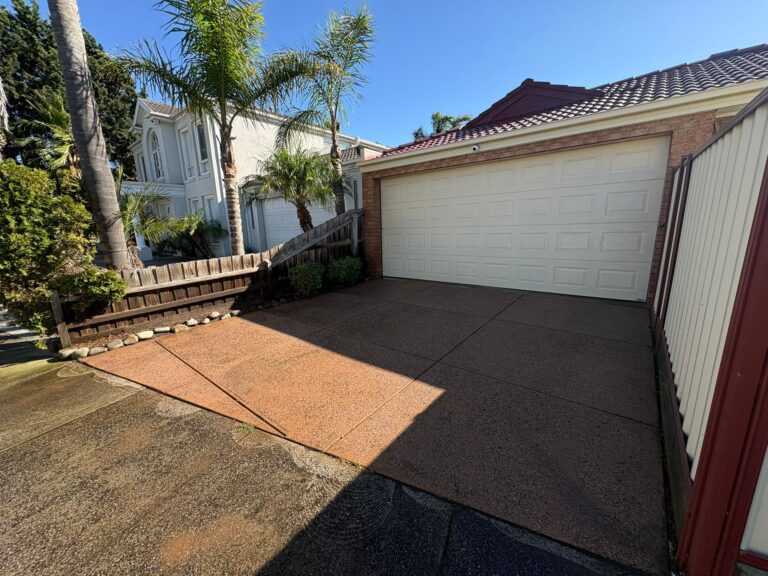
- Driveways with surface cracking or staining
- Garage floors prior to epoxy installation
- Patios and pathways with worn surfaces
- Preparation before resurfacing or sealing
Proper preparation helps ensure that cosmetic improvements are supported by a stable, durable surface.
Commercial & Industrial Considerations
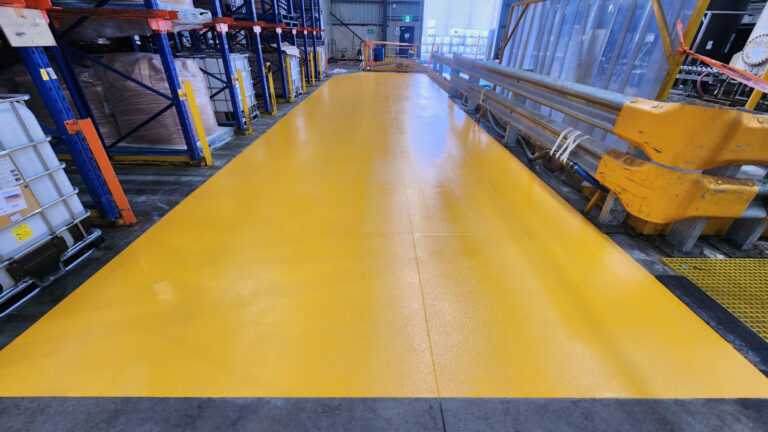
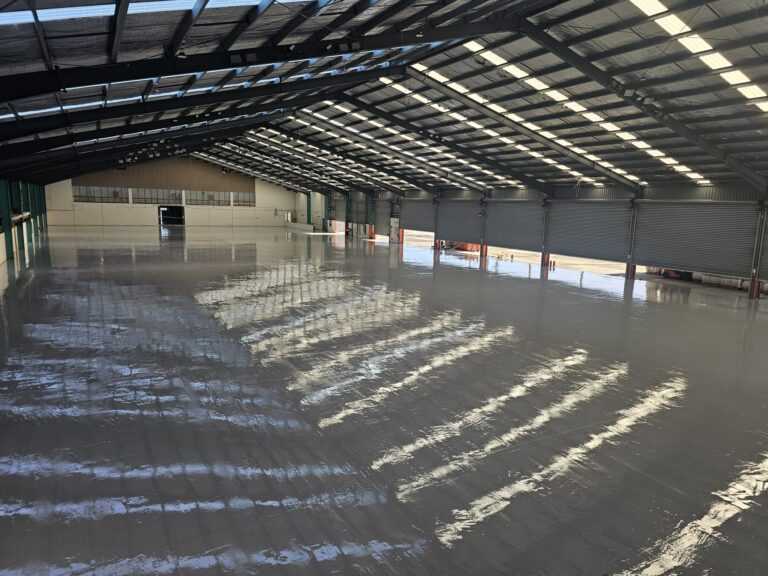
Commercial and industrial floors are subjected to far greater stresses than residential surfaces. Forklifts, machinery, chemical exposure, and constant foot traffic all place demands on the concrete.
In these environments, grinding and preparation serve additional purposes:
- Ensuring compliance with safety standards
- Supporting high-build coating systems
- Managing moisture-related risks
- Extending the lifecycle of flooring systems
Preparation is often customised based on the specific use of the space.
The Role of Moisture in Surface Preparation
Moisture is one of the most overlooked factors in concrete preparation. Excess moisture within the slab can undermine even the best coatings if not properly addressed.
Grinding alone does not resolve moisture issues but it allows professionals to assess the condition of the concrete and determine whether additional measures, such as moisture barriers, are required.
Ignoring moisture is one of the most common reasons concrete floors fail prematurely.
Why Preparation Should Be Assessed, Not Assumed
No two concrete surfaces are the same. Age, environment, usage, and previous treatments all influence what preparation is required.
Effective concrete preparation is not about applying a standard method, it is about assessing the condition of the surface and selecting the appropriate solution to address existing problems.
Final Thoughts
Concrete grinding and surface preparation are not visible once a project is complete, but they determine how well that surface performs over time.
Whether the goal is resurfacing, coating, sealing, or repair, proper preparation ensures durability, safety, and long-term value.
Understanding the role of preparation helps property owners make informed decisions and avoid the frustration of premature concrete failures.