
What is Concrete Resurfacing?
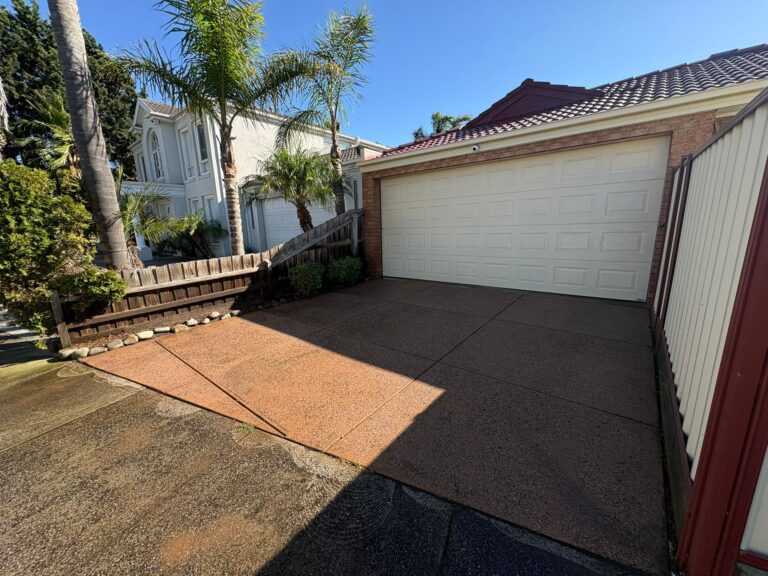
Concrete resurfacing involves applying a thin, durable cement-based overlay to existing concrete. This layer covers imperfections, adds strength, and allows for a variety of decorative finishes such as spray-on coatings, stencils, or coloured textures.
- Best suited for: driveways, patios, paths, pool areas, and outdoor spaces
- Main purpose: restore, refresh, and strengthen weathered or cracked surfaces
Advantages of Concrete Resurfacing:
- Cost-effective compared to full replacement
- Wide range of finishes, textures, and colours
- Can repair minor cracks and surface damage
- Long-lasting with proper sealing and maintenance
Disadvantages:
- Not suitable for severely damaged concrete with structural issues
- Can be slippery if not finished with anti-slip coating
- Requires regular sealing to maintain appearance
What is Epoxy Flooring?
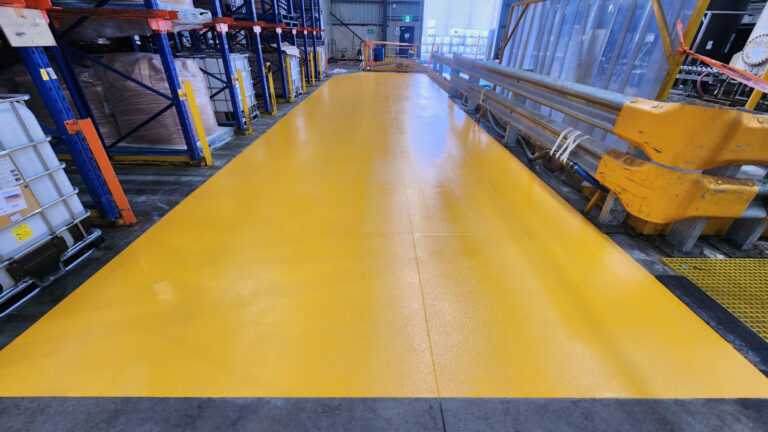
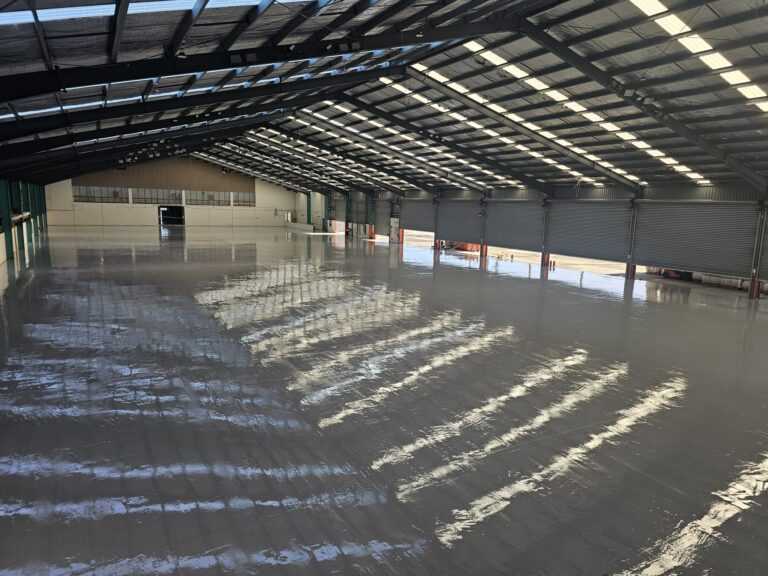
Epoxy flooring uses a resin-based system that bonds directly to prepared concrete, creating a hard, seamless surface. It is widely used in garages, workshops, warehouses, and even showrooms for its strength and sleek finish.
- Best suited for: garages, workshops, commercial kitchens, warehouses, hospitals
- Main purpose: provide a seamless, durable, chemical- and stain-resistant surface
Advantages of Epoxy Flooring:
- Highly resistant to chemicals, oil, grease, and stains
- Extremely durable under heavy traffic and machinery
- Easy to clean and maintain with a non-porous finish
- Can be customised with flake, metallic, or high-gloss designs
Disadvantages:
- Requires professional installation and concrete preparation
- Can be slippery when wet unless anti-slip additives are included
- Susceptible to UV damage (not ideal for outdoor areas without protection)
- Installation can take several days, depending on curing time
Concrete Resurfacing vs. Epoxy Flooring: A Side-by-Side Comparison
| Feature | Concrete Resurfacing | Epoxy Flooring |
|---|---|---|
| Cost | Lower upfront cost | Slightly higher due to materials & labour |
| Durability | Excellent outdoors with sealing | Superior indoors; withstands chemicals & heavy traffic |
| Design Options | Spray-on, stencil, colour, texture | Gloss, metallic, flake, seamless finishes |
| Best For | Driveways, patios, pool surrounds | Garages, warehouses, kitchens, hospitals |
| Maintenance | Requires resealing every few years | Low maintenance, easy to clean |
| UV Resistance | Excellent outdoors | Limited outdoors unless UV topcoat added |
How to Choose the Right Option
The right choice depends on where the surface is, how it will be used, and your budget:
Choose Concrete Resurfacing if:
- You want to refresh or repair outdoor areas like driveways or patios
- Your concrete has cosmetic cracks or surface damage
- You want decorative textures or patterns that enhance curb appeal
Choose Epoxy Flooring if:
- You need a heavy-duty, chemical-resistant surface
- You prefer a seamless, easy-to-clean floor
- You want a glossy, modern finish indoors
Cost Considerations
While concrete resurfacing is generally more affordable, epoxy flooring offers higher long-term durability in high-traffic or chemical-exposed areas. For many homeowners, resurfacing makes sense for outdoor upgrades, while epoxy is the go-to for garages and commercial facilities.
Final Thoughts
Both concrete resurfacing and epoxy flooring provide excellent ways to transform dull concrete into something strong, safe, and visually appealing.
If you’re unsure which option best suits your space, our experienced team can assess your concrete and recommend the right solution.
Get a Free Quote in Melbourne or Geelong
At Home Concrete Solutions, we’ve helped homeowners and businesses across Melbourne, Geelong, and wider Victoria achieve lasting flooring transformations.
Whether you’re considering resurfacing your driveway or installing epoxy flooring, our team can provide a tailored solution that fits your budget and needs.