It usually starts small.
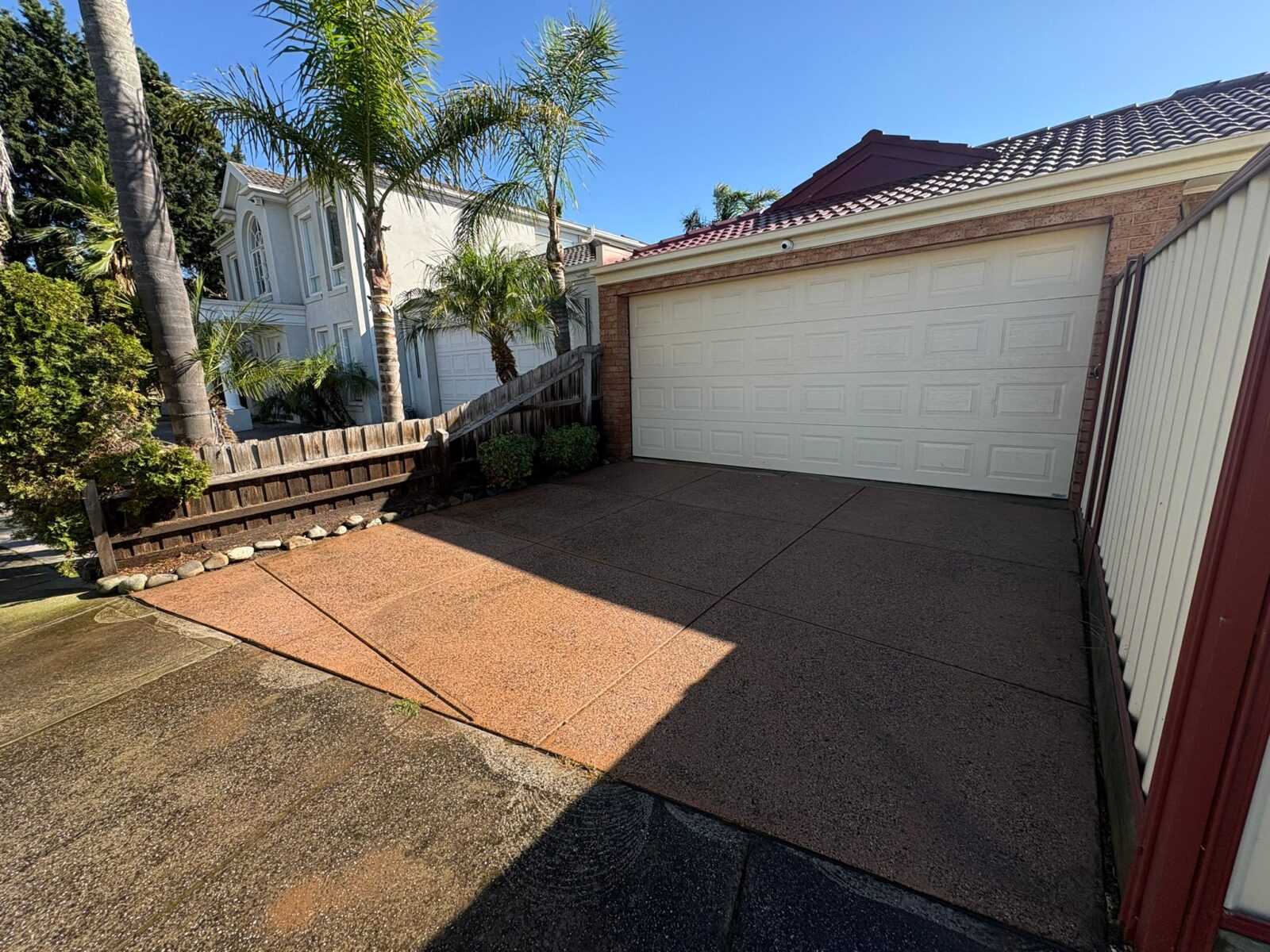
A driveway that doesn’t look as clean as it used to.
A patch that feels a little rough underfoot.
A surface that becomes slippery after rain.
Most homeowners don’t think much of it at first. Concrete is meant to be tough, after all. A bit of wear seems normal.
But over time, those small changes begin to add up.
What looks like “tired concrete” is often the early stage of something deeper, a surface that’s no longer protecting itself the way it should.
When Concrete Starts to Feel Different
One of the first things people notice isn’t always visual, it’s how the surface behaves.
You might find yourself being more careful when walking on your driveway after it rains. Or noticing that certain areas seem harder to clean, no matter how often you wash them.
These are the kinds of things people often search for without realising they’re connected:
- “Why is my driveway slippery when wet?”
- “Why does my concrete look worn or patchy?”
- “Can cracked concrete be fixed without replacing it?”
These aren’t just surface-level concerns. They’re signs that the concrete is starting to lose its protective layer.
Once that happens, moisture, dirt, and wear begin to settle in more easily and that’s when the real deterioration starts.
The Hidden Impact of Worn Concrete
Concrete doesn’t fail overnight. It gradually weakens.
Cracks begin to form and slowly widen. Water starts to seep in, especially during Melbourne’s wet seasons. Over time, that moisture can affect what’s happening underneath the slab.
At the same time, the surface itself becomes more exposed.
Without proper protection, concrete can:
- Lose traction and become slippery
- Break down into rough or powdery patches
- Absorb stains that are difficult to remove
- Develop uneven areas that affect how water drains
What once felt solid and reliable starts to feel unpredictable.
Why Many “Quick Fixes” Don’t Last
It’s common to try simple solutions first.
A pressure wash.
A coat of paint.
A basic seal from the hardware store.
While these can improve the appearance temporarily, they often don’t address the underlying issue, especially if the surface hasn’t been properly prepared.
That’s why many homeowners find themselves asking:
- “Why is my concrete paint peeling?”
- “Why does my driveway still look bad after cleaning?”
- “Why do cracks keep coming back?”
In most cases, the problem isn’t the product. It’s the condition of the surface underneath.
Concrete needs the right preparation before any coating or finish can actually last.
What a Proper Solution Actually Looks Like
Restoring tired concrete isn’t about covering it up, it’s about rebuilding the surface so it performs properly again.
That usually starts with preparing the concrete itself.
Surface preparation, such as concrete grinding, removes weak or damaged layers and creates a clean base. This step is often overlooked, but it’s what allows any new finish to bond properly and last.
👉 https://homeconcretesolutions.com.au/concrete-grinding-preparation/
From there, any cracks or damaged areas can be repaired before they spread further.
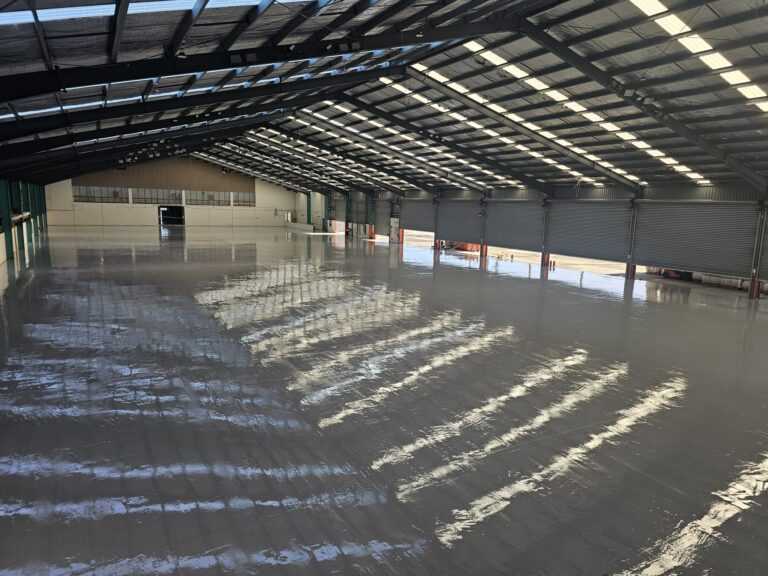
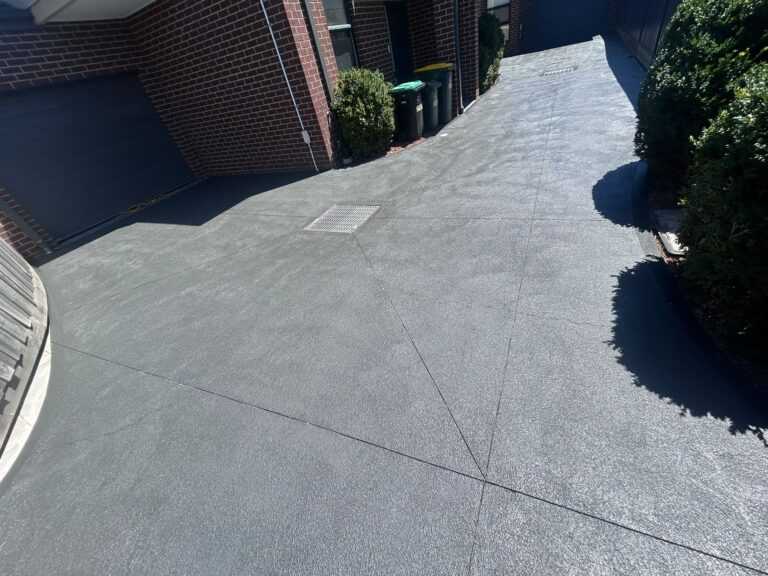
Once the surface is stable, options like concrete resurfacing can completely transform both the look and function of the area without removing the original slab.
👉 https://homeconcretesolutions.com.au/concrete-resurfacing/
This is often where homeowners start to see what’s possible.
A worn, patchy driveway can become a clean, even surface again. Outdoor areas can regain texture and grip. Spaces that once felt unsafe can feel solid underfoot.
Safety Is Often the Turning Point
For many homeowners, the decision to act doesn’t come from appearance it comes from safety.
A driveway that becomes slippery after rain.
A pathway where someone nearly slips.
An outdoor space that doesn’t feel secure for kids or family.
These moments tend to shift the mindset from “we’ll deal with it later” to “we should probably fix this properly.”
Adding a slip-resistant surface is one of the most practical improvements that can be made to tired concrete, especially in areas exposed to water or regular use.
It’s not just about how it looks, it’s about how it feels to walk on every day.
Seeing What’s Possible Without Starting Over
One of the biggest misconceptions is that worn concrete needs to be replaced entirely.
In reality, many surfaces are still structurally sound. They just need the right approach to bring them back.
With proper preparation, repair, and resurfacing, it’s often possible to:
- Extend the life of the existing concrete
- Improve safety and traction
- Restore a clean, consistent finish
- Reduce ongoing maintenance
It’s less about starting from scratch and more about making the most of what’s already there.
A More Complete Way to Approach Concrete Problems
What makes the biggest difference isn’t just the final finish, it’s how the entire process is handled.
Looking at concrete as a system means considering:
- The condition of the surface
- The presence of cracks or movement
- How moisture is affecting the slab
- How the space is used day to day
From there, the right combination of preparation, repair, and finishing can be applied.
This kind of end-to-end approach is what turns a short-term fix into a long-term solution.
Final Thought
Tired concrete doesn’t just affect how your home looks, it changes how those spaces feel and function.
The earlier these signs are recognised, the more options you have to restore the surface properly.
And often, what seems like a worn-out driveway or outdoor area still has plenty of life left, it just needs the right solution.